AI graphics generators create professional echod graphics in seconds, transforming how modern businesses approach visual content creation. These intelligent platforms reduce design costs by up to 80% while delivering high-quality custom illustrations that previously required extensive designer collaboration and significant budgets.
Businesses seeking alternatives to traditional echod graphics services now leverage AI-powered illustration platforms that produce scalable vector illustrations, logos, and marketing materials instantly. The technology has revolutionized creative workflows for marketers, web designers, and small businesses worldwide.
What is AI Graphics Generation and How Does It Work
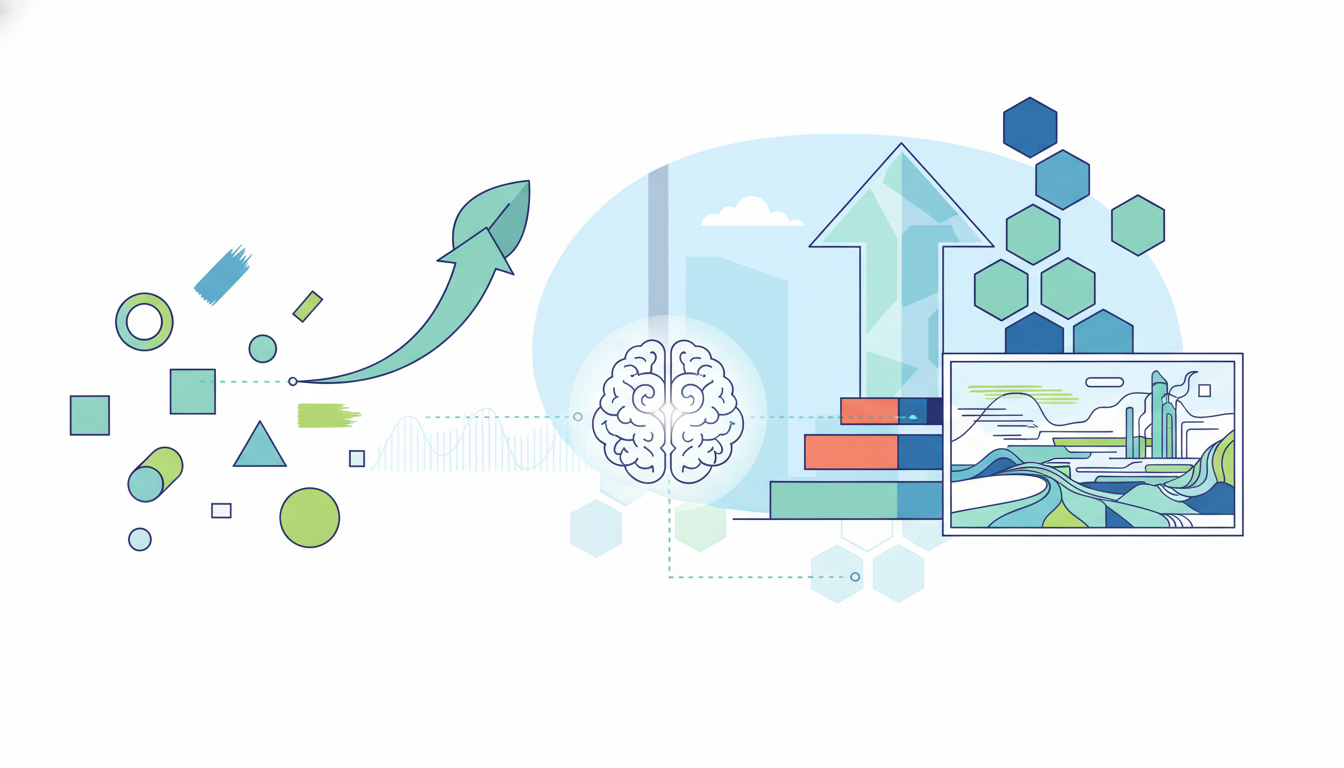
AI graphics generation uses neural networks to create custom illustrations from text descriptions or visual inputs. These systems analyze millions of design elements, color combinations, and artistic styles to produce original graphics matching specific requirements and brand guidelines.
The technology trains deep learning models on vast datasets of professional illustrations, logos, and graphic design elements. Users input prompts or style preferences, and the AI system combines learned patterns to generate unique visual content maintaining consistency with established design principles.
Neural networks process text descriptions through natural language understanding, translating concepts like "modern minimalist logo for tech startup" into specific visual attributes. The system generates multiple design variations, allowing users to select and refine outputs based on preferences.
Machine Learning Models for Illustration Creation
Modern AI graphics platforms employ generative adversarial networks (GANs) and transformer architectures to create professional-quality illustrations. These models learn relationships between textual descriptions and visual elements, enabling precise control over style, composition, and branding elements.
Style transfer technology allows AI systems to apply specific artistic styles to generated content. Users specify corporate branding guidelines, color palettes, or design aesthetics, and the AI maintains consistency across all generated graphics while creating unique compositions for each request.
Top AI Graphics Generators for Business Use in 2024
The AI graphics generation landscape offers diverse platforms tailored to different business needs and creative workflows. Professional illustration tools provide enterprise-grade features including brand consistency controls, commercial licensing, and collaborative design environments.
Leading platforms distinguish themselves through specialized capabilities:
- illustration.app - Specialized for business graphics with brand guideline integration
- DALL-E 3 - Advanced prompt understanding and photorealistic outputs
- Midjourney - Artistic style generation and creative concept development
- Canva AI - Template-based design with AI enhancement features
- Adobe Firefly - Professional workflow integration with Creative Suite compatibility
Each platform addresses specific use cases, from marketing material creation to product visualization and brand asset development. Business users should evaluate platforms based on output quality, commercial licensing terms, and integration capabilities with existing design workflows.
illustration.app: Best for Custom Business Graphics
illustration.app provides specialized AI graphics generation designed specifically for business applications. The platform combines advanced AI technology with business-focused features including brand guideline enforcement, team collaboration tools, and commercial-use licensing built into every generated illustration.
Key advantages for business users include:
- Brand consistency controls that maintain color schemes and style guidelines across all generated content
- Commercial licensing included with all plans, eliminating usage rights concerns
- Team collaboration features allowing multiple stakeholders to review and approve graphics
- API integration for workflow automation and custom application development
The platform excels at generating marketing materials, web graphics, and presentation visuals that align with established brand identities. Users upload brand guidelines and style references to ensure all AI-generated content maintains visual consistency across marketing campaigns.
Alternative AI Illustration Tools
Midjourney offers exceptional artistic quality for creative projects requiring unique visual styles. The platform excels at generating conceptual illustrations and artistic interpretations but requires Discord-based interaction that may not suit all business workflows.
Adobe Firefly integrates seamlessly with Creative Suite applications, making it ideal for designers already using Adobe tools. The platform provides commercial-safe training data and professional features but requires Adobe Creative Cloud subscriptions for full functionality.
How to Create Professional Graphics with AI (Step-by-Step)
Creating professional AI graphics requires strategic planning and systematic execution. The process involves defining requirements, selecting appropriate tools, and iterating on outputs to achieve desired quality and brand alignment. Professional results depend on thorough preparation and strategic prompt engineering.
Users who invest time in defining visual requirements and learning platform-specific techniques consistently produce higher-quality outputs that require minimal post-processing.
Step 1: Define Your Graphics Requirements
Start by identifying the specific purpose and context for your graphics. Document intended use cases, target audience, and technical specifications including dimensions, file formats, and resolution requirements. This foundation ensures AI-generated outputs align with project goals and technical constraints.
Consider brand guidelines, color schemes, and style preferences before beginning the generation process. Clear requirements prevent iterations and revision cycles that can extend project timelines.
Create a brief that includes visual style references, competitor examples, or mood boards. These reference materials help communicate desired aesthetics to AI systems and provide benchmarks for evaluating generated outputs.
Step 2: Choose the Right AI Platform
Select platforms based on specific feature requirements and output quality standards. Evaluate commercial licensing terms, especially for business applications where usage rights are critical. Consider integration capabilities with existing design tools and workflow systems.
Budget considerations should include both subscription costs and potential scaling needs. Some platforms charge per generation while others offer unlimited usage within subscription tiers. Factor in team access requirements and collaboration features.
Learning curve varies significantly between platforms. Designer-friendly tools may offer more intuitive interfaces while developer-focused platforms provide greater customization capabilities through API access.
Step 3: Generate and Refine Your Illustrations
Develop effective prompts that clearly communicate desired visual elements. Use specific descriptive language including style references, color specifications, and compositional details. Avoid vague terms and include concrete visual elements that guide AI generation.
The iteration process involves generating multiple variations and refining prompts based on initial outputs. Users treat the first generation as a starting point, then adjust prompts to achieve desired improvements in subsequent iterations.
Quality control includes evaluating outputs for brand consistency, technical specifications, and intended use case suitability. Check generated graphics for potential copyright issues and ensure commercial licensing covers intended applications.
AI Graphics vs Traditional Design: Cost and Time Comparison
| Factor | AI Graphics Generation | Traditional Design Services | Savings |
|---|---|---|---|
| Initial Cost | $20-100/month subscription | $500-5000 per project | 80-95% reduction |
| Delivery Time | 2-10 minutes | 5-20 business days | 99% faster |
| Revisions | Unlimited iterations | Limited revisions included | Unlimited flexibility |
| Scalability | Hundreds of graphics daily | 1-5 projects simultaneously | 10x+ capacity |
| Brand Consistency | Automated guideline enforcement | Manual designer interpretation | Higher consistency |
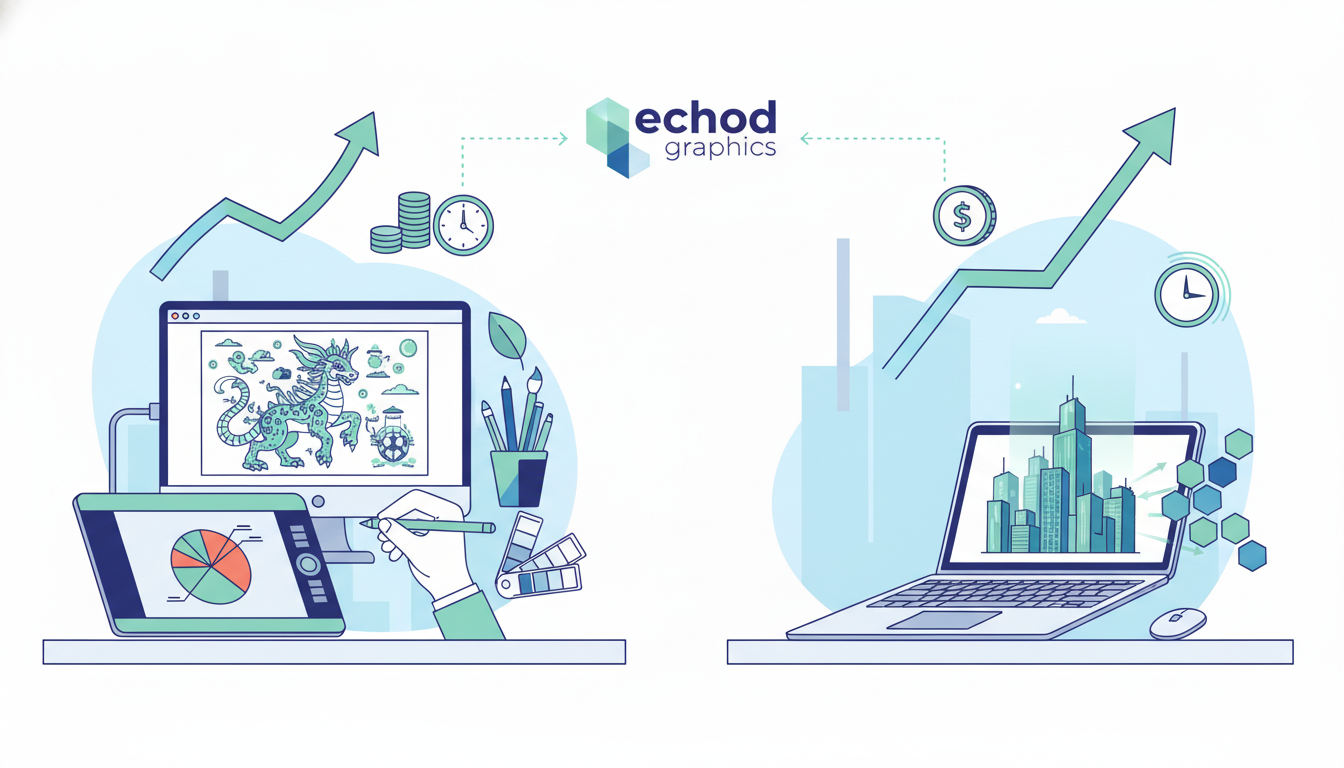
AI graphics generation provides dramatic cost advantages for businesses requiring frequent visual content creation. Traditional design services charge per project with additional fees for revisions, while AI platforms offer unlimited generation within subscription models. This cost structure makes AI graphics particularly attractive for marketing teams, content creators, and small businesses.
Time savings represent equally significant value propositions. Traditional design workflows require project briefings, designer assignments, review cycles, and revision rounds that extend delivery timelines to weeks. AI generation produces initial outputs within minutes, allowing rapid iteration and immediate implementation.
When to Use AI Graphics Generation
AI graphics excel for marketing materials, web graphics, social media content, and presentation visuals where speed and cost efficiency are priorities. The technology works particularly well for businesses requiring consistent brand application across multiple graphics and marketing campaigns.
Consider AI generation for projects requiring multiple design variations or A/B testing scenarios. The ability to generate dozens of alternatives quickly enables data-driven design decisions and optimization strategies that would be cost-prohibitive with traditional design services.
Limitations include complex custom illustrations requiring specific artistic interpretation, detailed technical diagrams, and projects where unique artistic vision is paramount. Traditional design services remain superior for brand identity development, complex infographic creation, and highly specialized artistic requirements.
Best Practices for AI-Generated Business Graphics
Quality optimization requires understanding platform capabilities and prompt engineering techniques. Professional AI graphics generation combines clear communication with systematic refinement processes. Professional results demand attention to brand guidelines, technical specifications, and commercial use requirements.
Essential practices for professional AI graphics include:
- Detailed prompt engineering with specific visual descriptors and style references
- Brand guideline integration to maintain consistency across all generated content
- Quality review processes including technical specification validation
- File organization systems for managing generated assets and version control
- Commercial licensing verification to ensure proper usage rights
Maintaining Brand Guidelines with AI Tools
Color consistency requires precise specification of brand color palettes within AI prompts. Upload brand style guides and reference materials to platforms supporting custom training data. Use hex color codes and specific Pantone references rather than general color descriptions.
Style matching involves creating reference libraries of approved brand visuals that guide AI generation. Many platforms allow users to upload style references that influence generated outputs, ensuring consistency with established brand aesthetics.
Logo integration should follow brand guidelines for placement, sizing, and clear space requirements. Consider generating graphics with designated logo placement areas rather than attempting to embed logos within AI-generated compositions.
Copyright and Commercial Use Considerations
Usage rights vary significantly between AI graphics platforms. illustration.app and similar business-focused tools include commercial licensing with subscriptions, while some platforms require additional licensing for commercial applications. Verify usage terms before implementing AI graphics in marketing campaigns or commercial projects.
Commercial licensing typically covers standard business applications including marketing materials, website graphics, and presentation visuals. Enterprise applications or high-volume commercial use may require upgraded licensing tiers or custom agreements.
Attribution requirements depend on platform terms and licensing agreements. Some AI graphics generators require attribution for free tier usage while commercial subscriptions eliminate attribution requirements. Review specific terms for each platform and use case.
Common AI Graphics Generation Challenges and Solutions
Technical limitations include resolution constraints, style consistency issues, and complex composition handling. Many AI platforms optimize for specific output formats or artistic styles, requiring users to understand platform strengths and limitations when planning graphics projects.
Common challenges and practical solutions:
- Inconsistent style outputs - Create detailed style guides and use reference images
- Text integration problems - Generate graphics separately from text overlays
- Brand color accuracy - Specify exact hex codes and validate outputs
- Complex composition handling - Break complex graphics into component elements
- File format limitations - Plan post-processing workflows for format conversion
Quality issues often result from insufficient prompt detail or unrealistic expectations for AI capabilities. Understanding platform limitations helps set appropriate project scope and quality standards.
Workflow integration challenges include file format compatibility, version control, and team collaboration requirements. Implementation requires planning for asset management and approval processes within existing creative workflows.
Improving AI Graphics Output Quality
Prompt optimization involves iterative refinement based on generated outputs. Start with basic descriptions and add specific details based on initial results. Use visual descriptors like "flat design," "corporate style," or "minimalist composition" to guide aesthetic decisions.
Post-processing techniques can enhance AI-generated graphics through color correction, composition refinement, and technical optimization. Consider AI generation as the foundation for graphics that may require additional refinement through traditional design tools.
Transform Your Visual Content Strategy Today
AI graphics generation represents the future of business visual content creation, offering unprecedented speed, affordability, and scalability for professional illustrations. Modern platforms like illustration.app provide specialized tools designed specifically for business applications, combining advanced AI technology with commercial licensing and brand consistency features.
The transition from traditional graphics services to AI-powered design tools enables businesses to scale visual content creation while reducing costs and delivery times dramatically. Start creating professional custom illustrations today with AI graphics generators designed for modern business workflows and marketing requirements.
Whether launching marketing campaigns, developing web graphics, or creating presentation materials, AI graphics generation provides the speed and flexibility needed to compete in fast-paced business environments.
Frequently Asked Questions
How much does AI graphics generation cost compared to hiring a designer?
AI graphics generation costs $20-100 monthly for unlimited usage, while professional designers charge $50-200 per hour or $500-5000 per project. Businesses save 80-95% on graphics costs by switching to AI platforms, with additional time savings reducing project timelines from weeks to minutes.
Can AI-generated graphics be used for commercial purposes?
Yes, most business-focused AI graphics platforms include commercial licensing with paid subscriptions. illustration.app and similar professional tools provide full commercial usage rights for marketing materials, websites, and business applications. Always verify licensing terms for your specific platform and use case.
How long does it take to create custom illustrations with AI?
AI graphics generation produces initial outputs in 2-10 minutes, depending on complexity and platform processing times. Complete projects including refinements typically require 30-60 minutes compared to 5-20 business days for traditional design services.
What file formats do AI graphics generators support?
Common output formats include PNG, JPG, SVG, and PDF. PNG files work best for web graphics, while SVG formats provide scalable vector graphics for logos and icons. Professional platforms offer multiple format options with resolution customization.
Are AI-generated graphics copyright-free?
AI-generated graphics typically grant usage rights to subscribers but are not copyright-free. Platform licensing agreements specify usage permissions, with commercial subscriptions providing broad business usage rights. Generated content may still be subject to platform terms and training data considerations.